

After 17 years in the Marketing trade, I’ve recently begun digging into the essence of what it means to be a Marketer. This essay explores my journey Marketing, why I created the Narrative to Audience (NTA) framework, and why I launched Narrly.AI.
Are We Con Artists?
One day I was invited to a friend’s house for lunch, and one of their kids asked me, “What do you do?” Before I could answer my friend cut in with an somewhat playful yet authoritative, “Dane is a con man.” He was kidding, but sounded certain.
Ouch, that made me think. After all, we should listen to our critics. He touched on a deeper truth—Marketing is an easy target for everything wrong with the corporate world, and we’re associated with lies and deceit.

I wasn’t offended because I’m used to it. For the past 13 years, I’ve been a Marketer in one of the most “anti-Marketing” industries on earth: Cybersecurity. I’ve literally seen emails where executives said, “Everyone hates Marketing.”
I talk about my experience in my book Through the Cyber Maze if you’re curious on what it’s really like. So I’m used to hearing easy digs like, “that’s just Marketing hype,” or “this isn’t just Marketing, this is real.”
Are We Mad?
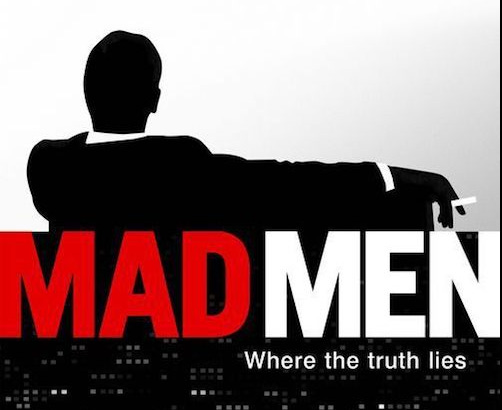
The hit TV series Mad Men is an excellent series about the world of Marketing, lived out by a protagonist called Don Draper that works in 1960’s Madison Avenue in New York City, the epicenter of advertising.
Draper is a mysterious character who enters every scene with a deeper awareness of the truths around him. His big company clients are drawn to his truth-telling vibes about their products and markets. When he comes up with an ad idea, they sell more products. He had a classic line, “All advertising is about one thing, happiness.”
Yet happiness is what seems to elude him. Avoiding his perfect wife, kids, and white-picket home in the suburbs, Draper’s personal life falls apart in marriage after marriage. The theme is that he is great at describing happiness, but can’t find the courage to keep it for himself. He seeks attention from women around him. He can’t help himself.
The point is that Marketers are often attention seekers. Putting on my Carl Jung hat, Draper manifests his inner need for attention by helping others get attention.
I’ll save that rabbit hole for another essay. I think it’s also relevant that the show’s tagline is, “Where the truth lies”. That’s pretty telling.
Marketing. A History.
Marketing isn’t new. Across history, trade has always existed: sellers, buyers, markets, and a medium of exchange. If you went back 2,000 years, you would find products in stalls on the roads of ancient Rome, with merchants selling spices, sandals, and jars.
These merchants were probably doing their own Marketing work, displaying their products on shelves, setting prices, checking into competitors down the road, and learning how to speak the language of value.
“These sandals were built from a rare wood imported from India,” a seller might have said to a wealthy Roman senator. That’s Marketing.

Fast forward 2,000 years to the reality today. If you ask the American Marketing Association, Marketing is defined as:
The activity, set of institutions, and processes for creating, communicating, delivering, and exchanging offerings that have value for customers, clients, partners, and society at large.
The Messenger within Marketing
The keyword in that AMA definition is “offerings”. Some offerings are more complex than others. For example, Technology offerings (products) have become highly complex, so Messengers are required to translate them into why customers should care.
This is my job. I’m a Messenger, and no, I’m not a ‘con man’, thank you very much.
Messaging has been my contribution to society for the past 13 years, with a focus on Cybersecurity markets. I’m a storyteller that gets paid by Fortune 500’s and startups to explain what they offer.
A Messenger’s job is to answer the, “What do we say?” question, and this function is wrapped under the title Product Marketing Manager (PMM). Fancy titles aside, we are “Messengers,” period. When I say that I’m a “Product Marketer”, I’m really just saying, “I’m a Messenger”.
Marketing Doesn’t Admit It
But nobody ever told me I was a Messenger. I had to figure that out through experience. My first gig in Cybersecurity was in Inside Sales at a company called Comodo, where I had the job of cold calling 120 prospects a day. I had a desire to move into Marketing, so I asked the CEO for a transfer, and he agreed.
My nickname soon became, “DDI” which was short for “Dane Does It”. I was doing everything I was asked to do, except Messaging. I didn’t even understand that it mattered at that time.
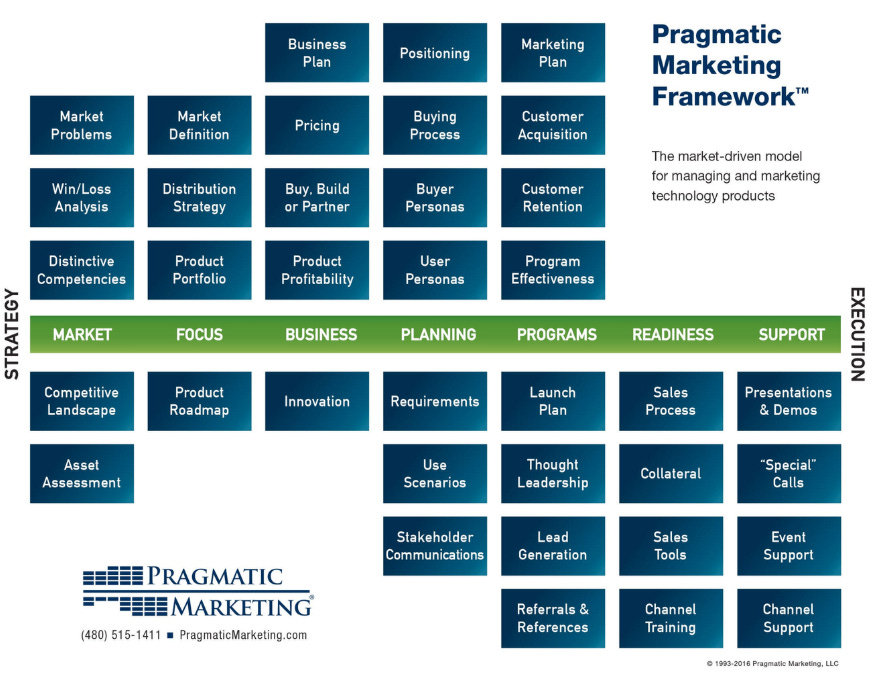
Then I entered greener pastures to work for a company called Optiv and I decided to lean into the Product Marketing craft, still not realizing what Messaging was. I attended a training class called “Pragmatic Marketing” to try and learn the ropes. They barely talked about Messaging. The instructor even handed out this chart with 30+ functional boxes on it, and the terms Messaging or Narrative aren’t even included on it.
So I went back to the office, and took each box as “my responsibility” and tried to implement them. I burned out because I overengineered my role. Not very pragmatic.
Messaging Pain
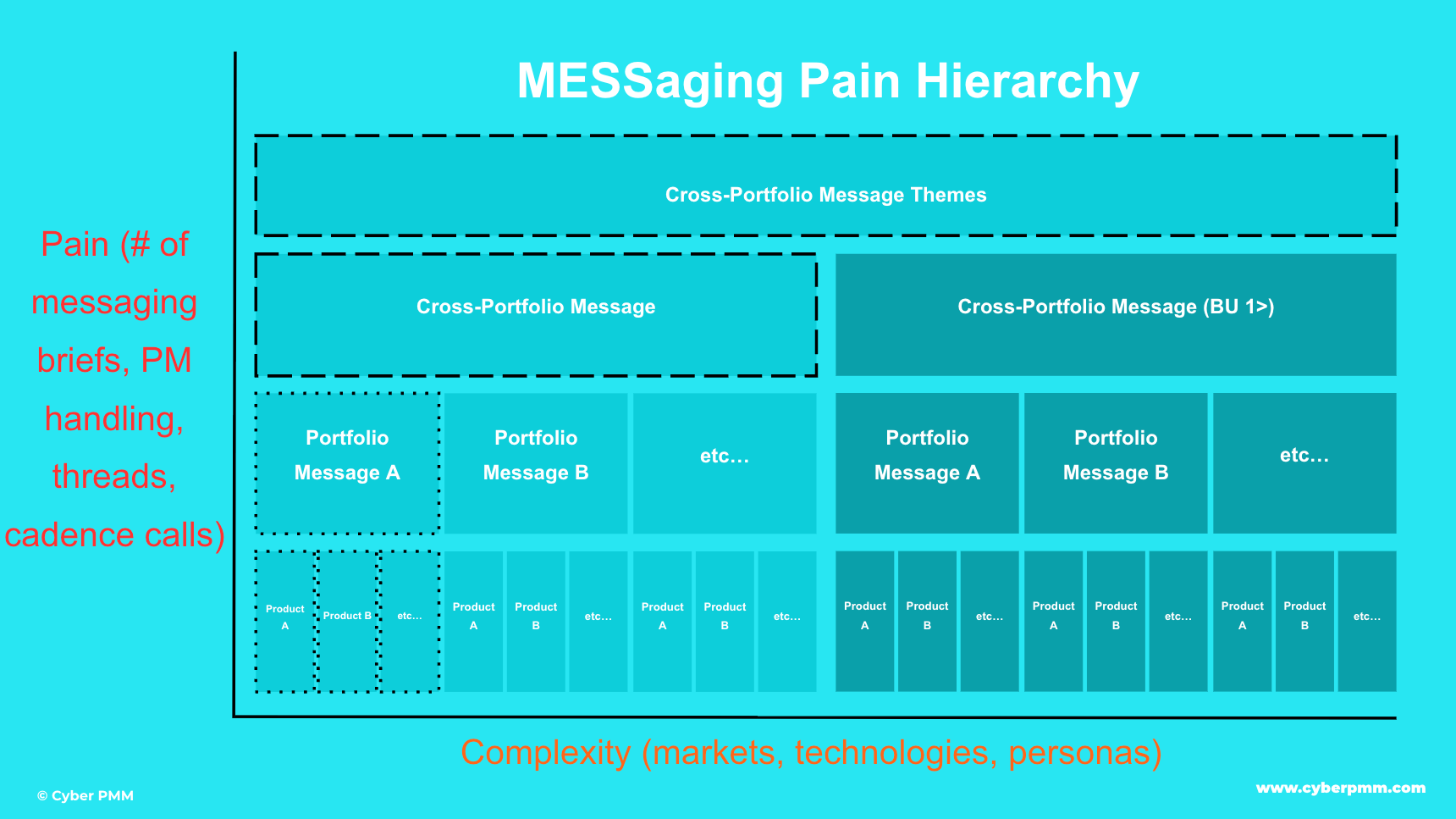
After Optiv, I’ve since learned that in larger companies, Messaging is in fact a Marketing superpower. There’s a place for storytellers. I’ve seen multi-billion dollar portfolios with messages layered on top of messages. I call this the Messaging Pain Hierarchy.
I often joke that messaging is spelled MESS-AGING, because it’s a total MESS, and then you start AGING.
Messaging is a very difficult role to play in Marketing. The first problem is that we usually deliver what’s called a Messaging Brief. This is meant to be the source of truth document.
But ‘nobody reads it’ and it gets outdated the second its published, because markets change every day. It’s like buying a new car and watching the value drop right when you drive off the lot.
And I’ve done these briefs to perfection.
In one case, I built a messaging brief that was 16 pages, tested with 300 users, and presented to 4 analyst firms over the course of 4 months. It was probably the most intense messaging exercise I’ve ever gone through.
But in the end, all I ended up doing was listing a ton of facts about a portfolio of products. I overdid it. I forgot the old saying, “keep it simple stupid” or KISS.
The Hero’s Journey
So I began studying the principles of messaging. I researched every book I could find on the the craft. That’s when I began learning about Joseph Campbell and his epic work, “A Hero With a Thousand Faces”, where he introduces the Hero’s Journey.
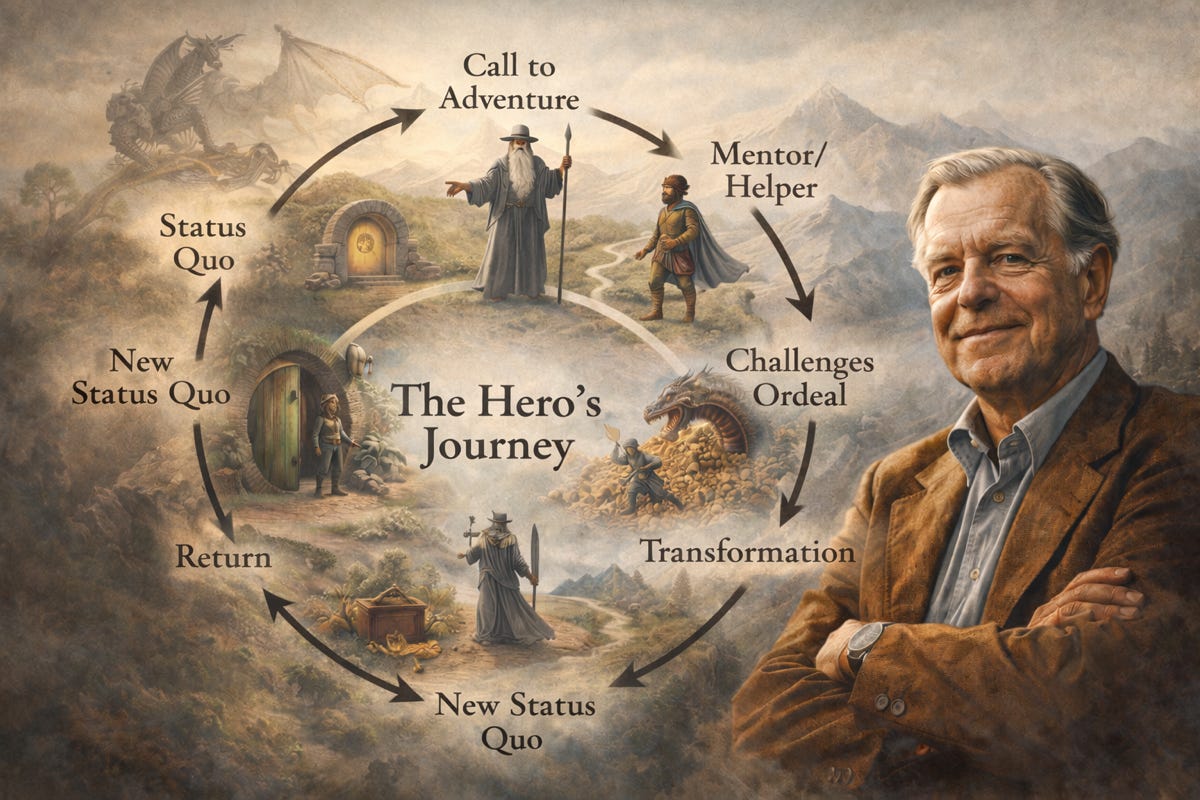
The concept is simple. To explain it, I’ll use an example from one of my favorite movies—The Hobbit.
A hero (Bilbo) faces a Call to Adventure (Gandalf knocking), which they decline (Bilbo says no). Then they eventually accept the challenge (Bilbo runs to catch up with the dwarves), and a Mentor (Gandalf) guides them as they battle Tests (Smeagol’s riddles) and Enemies (Dragon, Spiders, Goblins, Orcs) and eventually return home as a hero (returns to Shire with treasure chest).
Every great story follows this same pattern.
Building a StoryBrand’s author Donald Miller also uses these principles and applies them to the current world of Marketing. Between these two books, I realized that the goal isn’t to list a ton of facts about my products. It’s about constructing a story that conveys a message—a narrative.
This was a major turning point in my career as a Messenger, and it made me want to get better at it. And this is where I also decided I wanted to teach this to others and help others deploy narrative more scientifically.
Narrative Generation for Product Marketers
All I’ve learned can be simplified into a five step narrative generation process for marketing technology products:
Call to Adventure (WHY CHANGE): Customer’s world shifts.
The Quest (TODAY’S REALITY): Customer encounters challenges and limits.
The Guide (THE NEW WAY): Your product guides them to action.
The Transformation (NEW CAPABILITIES): The customer succeeds.
The Outcome (NEW REALITY): Customer finds lasting value.
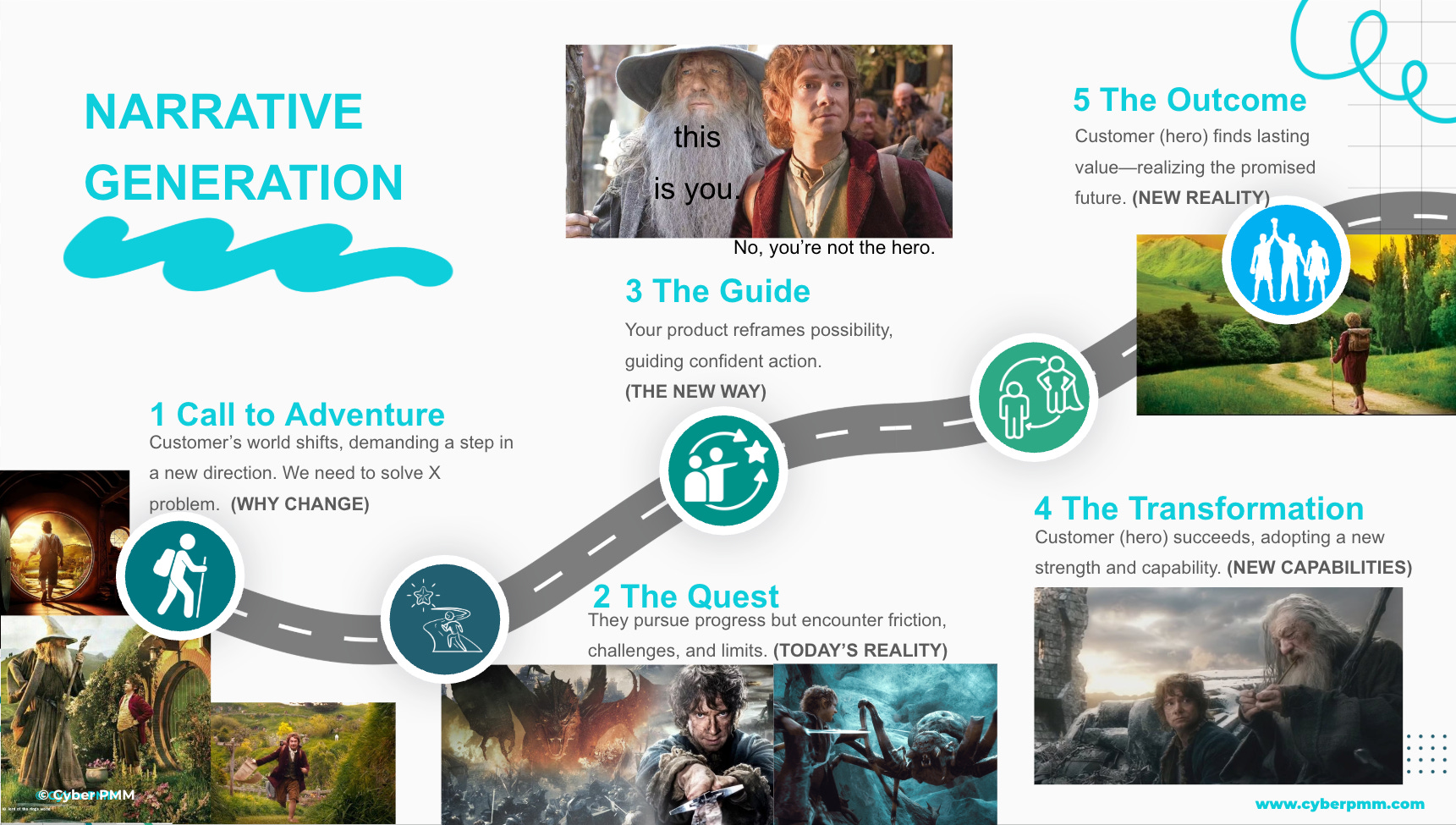
Anytime I’m asked for messaging, I use this process. Whether it’s a major conference keynote, or a major launch, I think about my company’s products in terms of a narrative, instead of listing facts.
The hard part is sharing the narrative to enable a ‘team of teams’. A Team of Teams is a concept from General Stanley McChrystal, where he talks about his experience in war fighting scenarios. He had to provide a shared mission, that many different teams could use to drive actions. Today, your AI agents are on your “team”, and it’s critical to give them this this guidance.
A Shared Narrative is vital. It’s the lifeblood of effective Marketing.
The NTA Fish
I distill this into a framework called Narrative to Audience (NTA). NTA has always existed, this is just my spin on it. I’m putting a definition and simpler system behind it, to help Messengers simplify life and focus on creating a Shared Narrative. (I’m using a fish because I love fly fishing of course.)
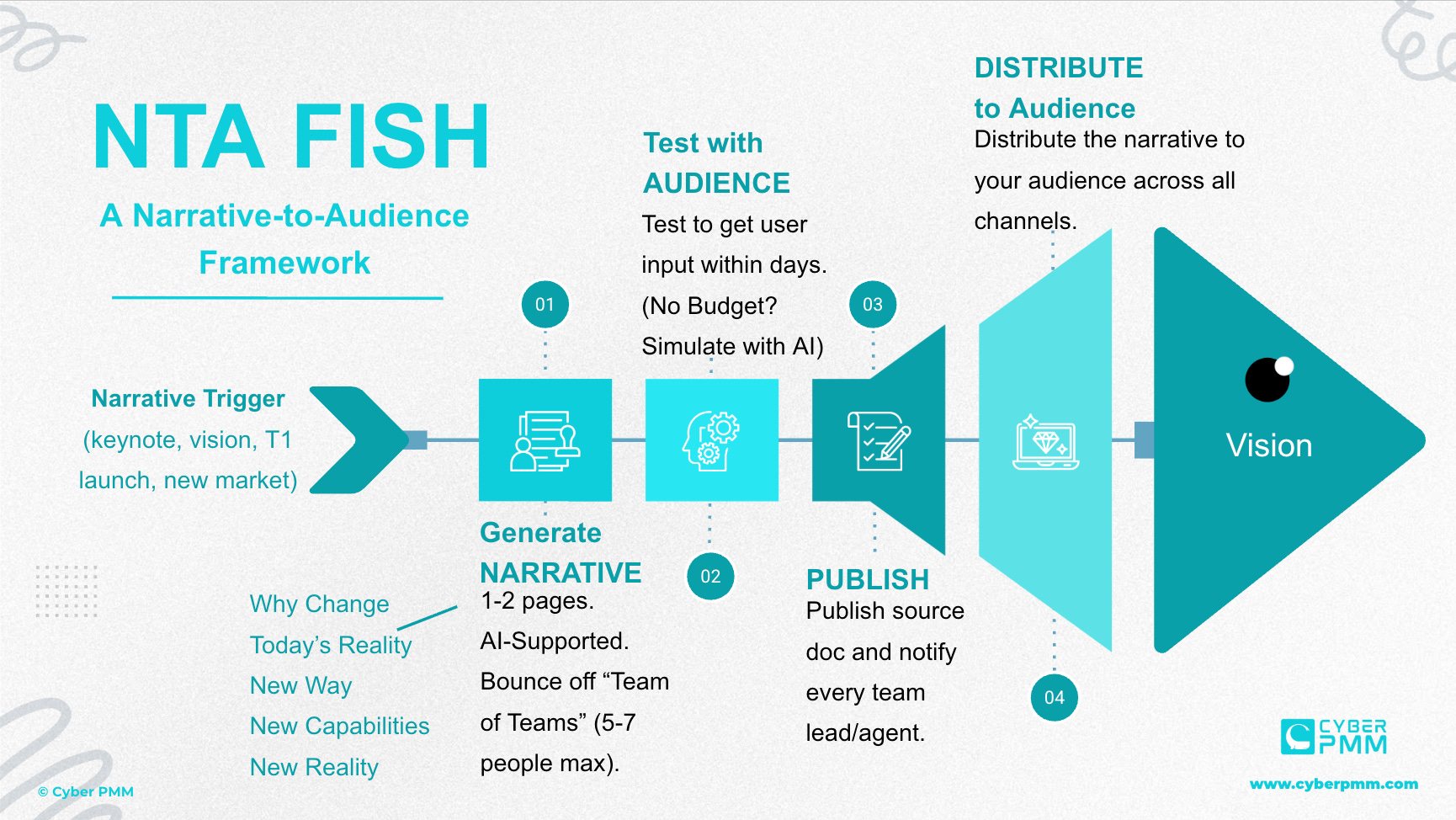
All the experts use this. Tony Robbins recently sat on the world’s major podcasts (search YouTube for his name and look at the time frame of late 2025). It was a masterclass in Shared Narrative. He told the same story, just in different formats, styles, and with different interviewers. And each podcast invited the audience to participate in Tony’s free event in late January, which was the beginning of his sales funnel.
Messengers that work in Marketing need to focus on creating a powerful narrative, and work as a team to distribute that narrative to your audience. That’s it. That’s the job. It always has been that way, always will be.
Creating Narrly.AI
I built Narrly.AI to help others apply this too. Narrly is a narrative-to-audience platform that takes everything I just described and codifies it into an app that you can use for free.
It uses the storytelling techniques from Joseph Campbell’s Hero’s Journey, and connects the Cyber PMM app to distribute the narrative to your audience.
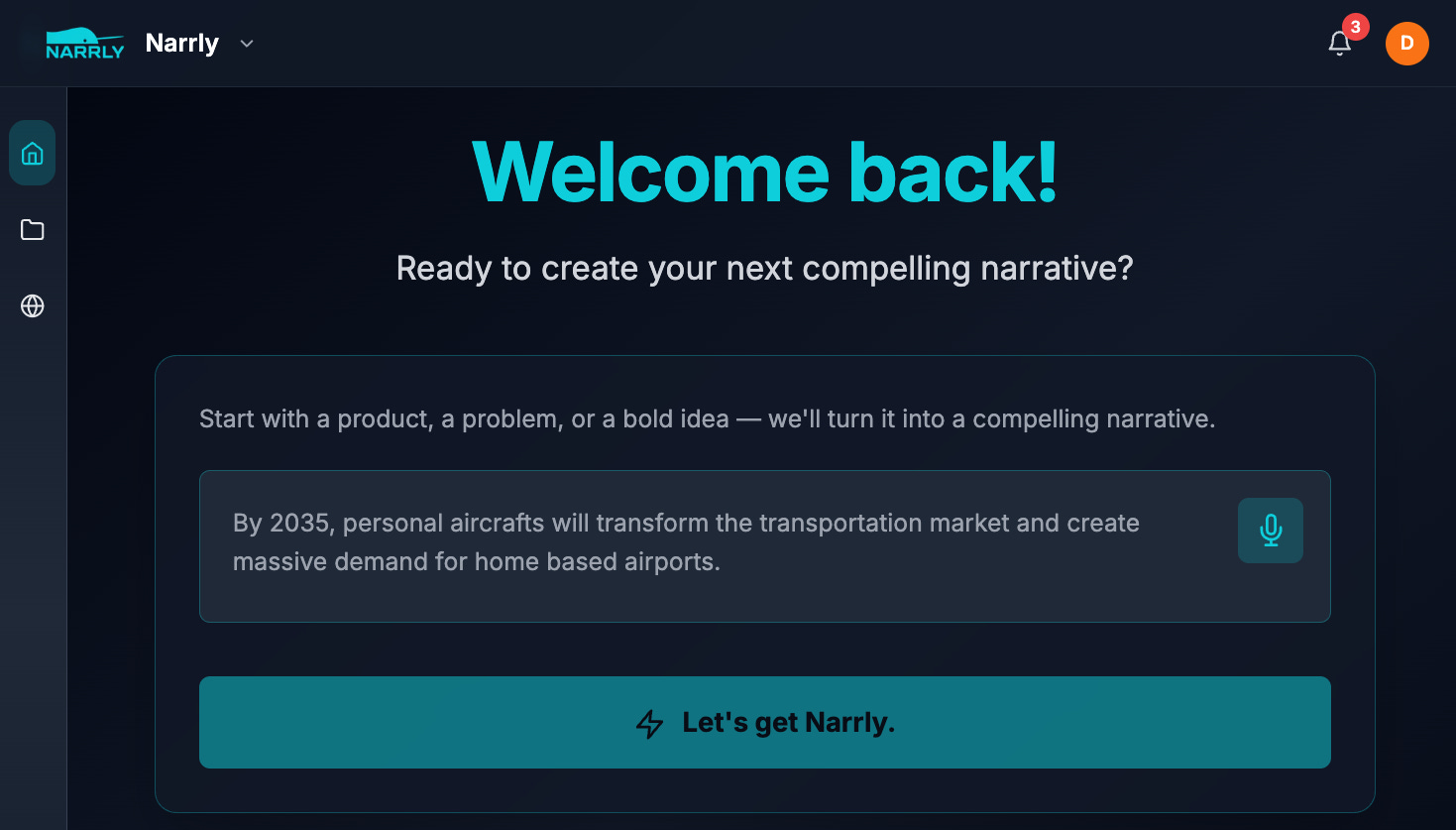
Free Narrative to Audience Presentation
I also recorded a presentation to describe how I think about this. I walk through Narrative to Audience (NTA) — a narrative-first system for bringing products to market with clarity instead of chaos. Here it is:
This presentation covers:
• Why product marketing became fragmented and exhausting
• Why messaging collapses at scale
• How narrative (not frameworks) reconnects products to real audiences
• A one-page storytelling model to replace 16-page messaging briefs
• Where AI helps — and where it absolutely doesn’t
📌 Chapters (optional):
00:00 Introduction to Narrative to Audience (NTA)
01:01 The Messy State of Product Marketing
01:16 Challenges Faced by Product Marketers
02:33 Personal Anecdotes and Lessons Learned
05:26 The Importance of Messaging
07:33 Building Effective Narratives
11:04 The Reality of Messaging Briefs
23:56 Introducing the NTA Framework
28:25 Steps to Create a Compelling Narrative
31:08 Implementing the NTA Framework
37:40 Conclusion and Call to Action
In closing, I invite you to try Narrly.AI, tear it apart and send me your honest feedback. If you do provide feedback on your experience, I’m offering a year of Pro access (a $250 value).
Conclusion
So no, Marketers aren’t con artists or mad. Many of us are messengers that tell the audience the truth about our products. We enable the teams around us with a shared narrative. When the narrative is clear, everything else follows. That’s the job. Always has been.

